
Welcome our guest blogger Ashley Taylor
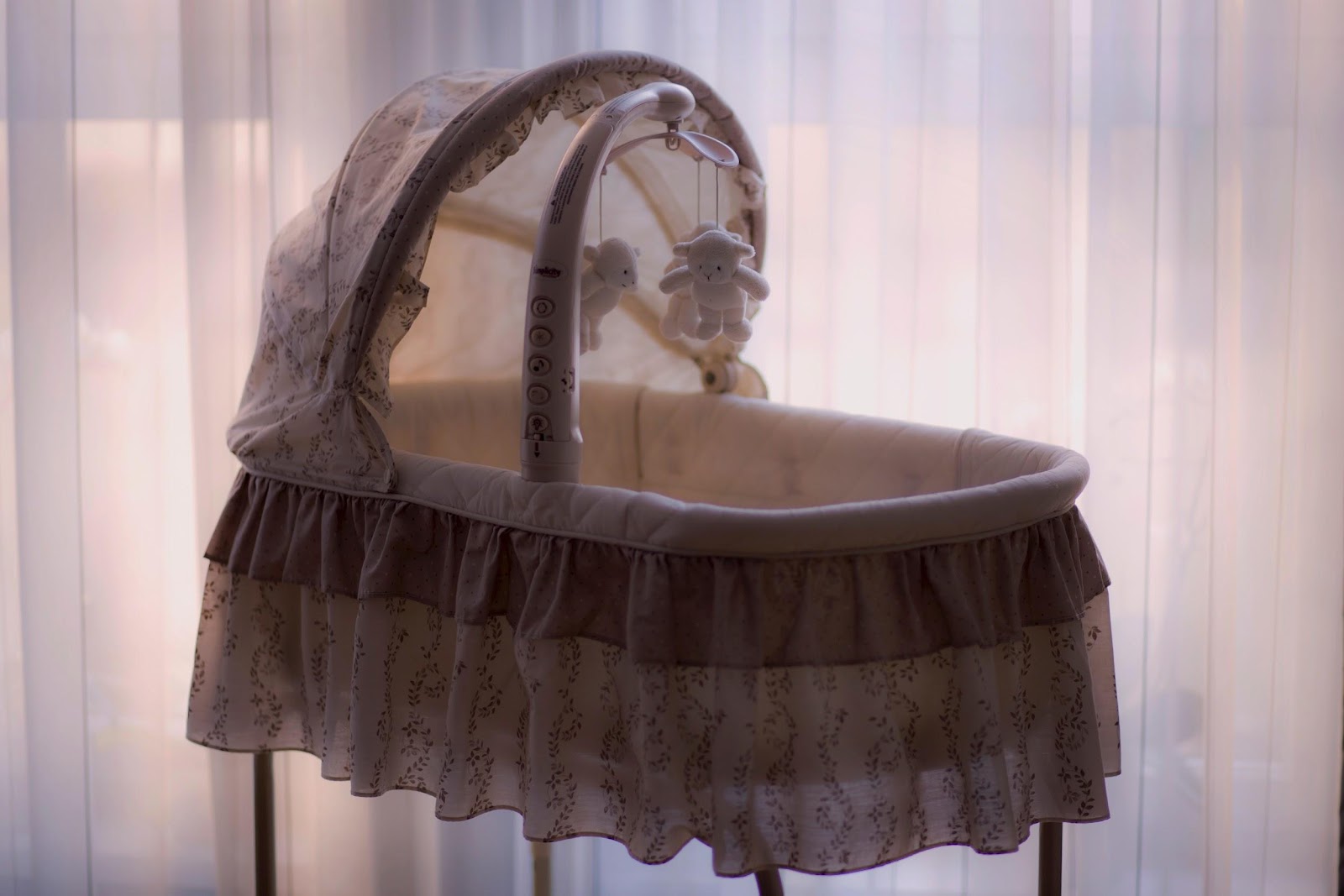
While a good estimate of how many of women with disabilities give birth each year doesn’t exist, experts know that more than 1 million women of childbearing age have a physical disability. Whether it’s multiple sclerosis, visual impairment, or cerebral palsy, these women need some assistance with daily living because of their disabilities. Preparing for a baby is exciting, but it’s also stressful and challenging even under the best circumstances. If you’re a parent with a disability who’s preparing for parenthood, follow some tips to ensure your life and home are as prepared as possible.
Obviously, your home will need to be baby-proofed, regardless of whether you have a disability. General home safety is the first step to take when preparing your home for parenthood. Ensure all smoke detectors and carbon monoxide detectors are working and that your home has an adequate amount. Also, ensure that you own a fire extinguisher and that large pieces of furniture and televisions are secured.
As your baby grows, the potential hazards will change, but for starters, all cords should be kept at least 3 feet away from the crib, and cords throughout the home should be secured. Keep in mind that any cord can be a hazard. As your baby approaches the crawling stage, you’ll need to cover electrical outlets and remove anything that plugs in, such as nightlights or air fresheners. Also, add padding to tables with sharp corners or edges, and install latches or locks on doors, cabinets and appliances. Continuously check the floors and reachable areas for choking hazards.
What you need in the home to help you care for your child will depend on your disability and its severity. Occupational therapists are one option, and they can help with bathing, changing, feeding, and carrying babies or children. You may also wish to hire a nanny in addition to or in place of an occupational therapist.
If you live with a disability, there is special equipment to help with everyday tasks if you have a baby or young child. For example, there are flashing alarms and intercom systems to help you know when your baby is crying if you’re hearing impaired. Visually impaired parents can benefit from harnesses that have easy-to-use straps and clips with contrasting colors to highlight adjustable parts. Cribs and playpens have adjustable heights for individuals with disabilities, and some feature removable side bars or panels.
When purchasing baby essentials, keep your disability in mind. For example, if you have a disability that affects your mobility or strength, look for strollers that are lightweight and easy to push and fold. Some models have adjustable handle height, and specialized strollers can be attached to wheelchairs. Select sturdy high chairs with adjustable heights and easy-to-use straps and clips.
As far as preparing your life, just be prepared that you may sometimes feel left out in your child’s care. Disabled parents describe their experience this way, as they may not be able to push the stroller or pick their child up if they fall. However, they also note that they find creative ways to hold smaller babies, such as in a sling on their front while in a wheelchair. Also, as the child becomes older and more independent, those feelings of being left out can fade.
You may wish to go ahead and decide how you’ll help your child to understand your disability. “Children are naturally curious and may have a lot of questions about your disability,” says Healthdirect. Openly discussing your disability with your child can help them understand your limitations or why your child could accidentally cause you pain if they aren’t careful. Discussing your disability can also help to teach them to be empathetic and insightful.
Use formal support services as much as possible. While acknowledging you need help may be difficult, receiving adequate assistance is imperative, as it can make things easier for you and your child. Also, welcome the support of friends and family, and reach out to a wider network of community support groups. Some disabled parents find counseling to be beneficial.
No parent is ever 100 percent ready for parenthood. Preparing your life and home for this kind of change is scary. You’ll wonder if you forgot something or if you got too much of another thing. Try not to stress too much. Parenthood is also highly rewarding. When you’re having a particularly rough day, you may find that the unconditional love from your child is just the medicine you need.
Contact: Ashley Taylor


