Pages

Showing posts with label education. Show all posts

Introduce Social and Emotional Learning into a School


Many of you are at the stage of introducing new ideas to the PTA, we found this article on seven suggestions for getting others at your school on board with social and emotional learning. More and more Irish teachers, principals and board members' are embracing the importance of SEL. 

For social and emotional learning to become widespread in schools, those already dedicated have to bring in their hesitant colleagues. Award-winning journalist Steve Adubato has studied the process of getting buy-in in his book Lessons in Leadership (Rutgers University Press, 2016).

Seven Tips for Bringing People Around

Although Adubato’s book doesn’t focus specifically on education, I’d like to highlight some of his key ideas about buy-in and relate those to getting folks on board with social and emotional learning at your school. (All quotes are from his book, pp. 136-138.)

1. “Accentuate the positives, but don’t act as if there won’t be challenges,” Adubato advises. Remember, even if a change is challenging or difficult, many school staff and board members will accept it if they believe in you as a leader. Establish credibility and trust by recognizing the obstacles and challenges present, while communicating confidence that those hurdles can be overcome. Communicate that you’re not asking your colleagues to do something brand new. Other educators like them and in schools like theirs have implemented SEL successfully despite facing many of the same initial concerns, such as finding the time for lessons or worries about how to evaluate SEL progress.

2. Explain clearly how the status quo can actually be more dangerous and risky than the change. Change is difficult, so it will often seem easier to continue to do what we’ve been doing. As many of us know from our experiences in schools, overwhelmed educators are often operating in survival mode and resist change, taking the stance of “don’t rock the boat.” 

“Really good leaders make it crystal clear that the risks of not changing present concrete and serious problems; make it clear what the payoff or tangible benefits of implementing this change will be.”

So when a school doesn’t adopt social and emotional learning and restorative practices, it may continue to face discipline problems that affect student safety and morale and take up precious instructional time. So SEL leaders must provide evidence and a convincing argument to show how the boat is, in fact, sinking or how some folks below deck are drowning. It has to become apparent why curriculum and class procedures and systems must change.

Instead of forcing everyone to fit into a fixed mould, we should be allowed to explore what we’re passionate about’ (Fourth year, female,  co-educational school,  Co Dublin)

3. Change is personal, not virtual. “Too many organizations try to sell the change through detailed standard-operating procedure manuals or highly detailed descriptions of the steps needed to implement the changes." Extensive online resources, though valuable and well intended, are more likely to be daunting than helpful at the beginning of a change process. This happens in education as well (web searching “best practices in implementing SEL in schools” yields 3.8 million results). Before passing out any curricular materials or resources, an SEL leader must begin with a clear conversation about what the vision is, how things will look and feel once the changes have taken place, and why those changes will be beneficial to all—students and teachers. Buy-in never happens through “compliance, command, and control.” It happens through understanding. Then the details can be better grappled with.

"‘Not all students are the same – one size does not fit all.’ (Third year, male, boys-only school, Co Monaghan)


4. Take the position that making progress on SEL is not negotiable but that you’re open to feedback and suggestions about exactly what happens and how it happens. Change cannot be rushed. Buy-in is like a layaway plan: Ownership comes over time.  “Create an environment conducive to an honest dialogue, even if the feedback is difficult to hear.” When implementing a new system or program at their school, administrators must remember this: Don’t allow yourself to think that your way is the only way. Doubts exist, whether you think they’re justified or not. Open dialogue can be created in feedback forums, board meetings, emails, or a one-on-one with SEL leadership.

‘Help teachers to become more open-minded.’ (Second year, female, co-educational school, Co Waterford)

5. Those who are implementing SEL, or related curriculum changes, see things differently from those who are championing those changes. There are no magic or silver bullets in the change business. Successful change agents understand that they must understand and empathize with the position of their colleagues and act accordingly. One thing to be especially aware of is “change fatigue,” which is common in schools as a reaction when several programs are implemented simultaneously or even one program in a short time period. Even well-intentioned and necessary interventions have to be scaled down when they’re coming into a school, especially a school that has experienced a lot of programming changes and leadership or teacher turnover.

‘Make the teachers be happier in the environment not stressed and sad.’ (Fourth year, female, co-educational school, Co Cork)

6. “Celebrate and recognize any success or accomplishment associated with the change effort, no matter how small,” People want to be part of a winning team. Know that major change and victories are not likely to happen quickly. It’s important for leaders to remember that “real change about real problems and issues is a marathon, not a sprint.” Modelling patience, process, and progress will help foster SEL buy-in, especially in schools that link so much staff morale and worth to standardized test scores.

 ‘Have a proper system for mental health and exam stress... the availability of a designated person to discuss and facilitate issues and discussion.’ (Fifth year, male, co-educational school, Co Leitrim)

7. Don’t shy away from seeing yourself, and your like-minded colleagues, as leaders. Creating buy-in is a leadership activity, even if you’re doing it among your peers. You exercise leadership through your vision, passion, and commitment to students’ social and emotional learning and what it means for their future success in school, college, careers, community, and life. 

I would appreciate if there was one class a day just to take time out and focus on mindfulness and well-being’ (Fourth year, female, girls-only school, Co Cork)

The inserts are taken from the report Minister Katherine Zappone TD and Minister Richard Bruton TD  launched  ‘So, how was school today?’  A ground breaking piece of research carried out by young people for young people.
Read More


Starting "Big" School


The big day is nearly here, your ‘big boy’ or ‘big girl’ is getting ready to start ‘big school’! 


The books are bought, the backpack filled, the uniform pressed and ready to go! Both you and your child feel the excitement and anticipation of the big day to come. You know his self-esteem is high, and that he is well able to communicate his needs to the teacher. You know how independent she is, and that her social skills and friendships are strong. In your heart of hearts, you know they are ready to take this first step into formal education. So, what can you do in these final days to support them during this important transition?

Start by talking about school and reading books about children starting school. These books cover all sorts of situations, and can be a great way to start conversations about what is expected in the primary school system.  Pre-empt any anxieties by going through the various processes – when they will have lunch, what do to if they need to use the toilet, where you will meet them at the end of the day. Speak positively about school, if you are nervous about them starting school, try not to show it! 

In practical terms, think about how independent they can be.

Can she put on and take off her coat herself? (If her coat is new, make sure she can recognise it!).

Is he confident in using the bathroom? (If his new uniform has zips, just check he can use them).
Can she open and close her schoolbag and lunchbox? (Usually these are both new).

Don’t forget to label all their possessions. This can avoid rows over who owns what!

Break and lunch times can be hectic in a classroom full of junior infants, and the teacher will often not have enough time (or hands!) to help so many children. Little oranges can be difficult to peel, yogurt drinks can end up down the front of their jumper, and plastic wrapped cheeses of various sorts often end up at the bottom of the lunch box half opened. Try having a ‘pretend school lunchtime’ with your child at home so that they can try things out, and you can see what they can manage easily.

If your child does not know any other children in the new class, ask around to see if any children living near you will be starting and introduce them before the big day.  Starting school is always easier with a hand to hold! 

Try to get into a new routine early – earlier bed time and waking earlier in the morning – and plan your routine for the mornings. What can you have ready the night before to make your mornings easier? Better to have more time in the mornings, than be rushing in a panic. A stressed parent = stressed child.

On the first morning at school, arrive in plenty of time.  Don’t worry if there are a few tears (either your child or yourself – just hide your own till you have left the classroom!) it is often just a release of all the emotion of the day. No matter how you are feeling, be positive with your child.

Don’t linger too long in the classroom - if your child is nervous, try to engage them in an activity, or with another child before you leave. Always tell them when you are leaving, and that you will be there waiting for them when school ends. Remind them that if they are unsure of anything, just ask the teacher – she is there to help.

If you have an anxious child, don’t minimise their concerns, instead talk to them about what to expect and talk through how they might respond to any concerns they might have. A little trick can be to put a few drops of your perfume on a hankie for them to take in their schoolbag with them – if feeling a little nervous, it can help to have a little sniff of mum! Or get two little matching charms one for you and one for the child to take to school – if you are missing each other you have the charm to remind you the other one is thinking of you.

At the end of the day, make sure you are on time to collect them! It can be very upsetting for a child if they are left waiting for you. After school, try to have some time set aside to talk to your child about their daily activities. But try not to worry if your child says ‘I don’t know’ when asked about school life, they have an awful lot to take in over those first weeks. Most parents have experience of the greeting ‘what did you do today?’ getting the response ‘nothing’! Remember this transition is not just the first day of school, it takes time to settle into the new classroom and routine, and you can expect them to be more tired than usual over the first weeks.

Finally, don’t forget to look after your own emotional well-being. Your child starting school can be as much of an emotional change for you as it is for them. Keep yourself busy over those first days. Try to have a few words with some of the other parents at drop off and pick up times, they are going through the same emotions, and will probably become your friends and allies for the next eight years or so! Your child starting school is both exciting and emotional, watching them finding their wings and learning to fly. Don’t worry it will soon be 3pm, and your little whirlwind will be back, eyes sparkling, to reassure you that she really is a ‘big girl’ now!  

Thank You Dr Mary O'Kane


Dr Mary O'Kane is a lecturer in Psychology and Early Childhood Education with Maynooth University and The Open University. Her PhD research studied the issues that children in Ireland, and their families, face during the transition from preschool to primary school. Mary provides training seminars for preschool providers and parents in the areas of wellbeing and self esteem, resilience in young children, positive behaviour management, and preparing children for primary school. Mary worked as the resident early years expert on the Anton Savage show on Today FM, and from 2017 works in the same capacity on the Alison Curtis Show. Mary is also a regular contributor to Ireland AM on parenting and early childhood education issues.

Progressive Education Competition


We at Buddy Bench  strive to become the leaders in progressive education here in Ireland,  social and emotional skills being key.

Emphasis on learning by doing – hands-on projects, expeditionary learning.
An integrated curriculum.
Strong emphasis on problem solving and critical thinking.
Selection of subject content by looking forward to ask what skills will be needed in future society.
Education for social responsibility and democracy.
Emphasis on lifelong learning and social skills.

In September 2017 we are running a nationwide competition to highlight  those hundreds of primary schools who intend to or are running amazing initiatives. We want to hear what your school is doing about being active, being aware of  mental health, keeping safe online and in general being a school that is conscious of progressive education with the element of social and emotional learning.

There is an amazing prize (sorry not disclosure yet), so if you think your school is forward thinking, child led and has support from parents, parents association's, teachers and an inspirational principals, do let us know about them..............

Email hello@buddybench.ie or comment below with a very short description of who is your school and what initiatives they are doing.

Thank You For Now.

Do Your Children Eat Dirt?

www.buddybench.ie
Eat Dirt... She Says
Mums, what is the most important thing that your kids should eat ? I hear you saying fruit and veggies…. But guess what? According to recent research by two Canadian microbiologists, B Brett Finlay and Marie-Claire Arrieta the answer would appear to be some plain good old healthy dirt according to their recently published book “ Let them eat dirt: Saving your child from an over sanitized world.”

They are not advocating that kids “chow down on filth, but we all need to come off our high horses on hygiene. For hundreds of years we have thought that cleanliness is next to godliness. It’s only in the last five or so years that we’re beginning to realize all the many ways in which over sanitization is actually damaging our children’s health.”

When my kids were young, I refused to buy into the TV ads that were promoting anti-bacterial household sprays…. These ads make us think that our kitchens need the same level of sterilisation as a hospital operating theatre and that all surfaces have to be shiny squeaky clean. Somewhere deep down I just knew this was wrong and that there was nothing wrong with a good old fashioned wipe of a cloth. I was right.

In terms of small children good hygiene is absolutely necessary and because of good practice, life expectancy has risen from the age of 40 in 1841 to 79 in 2011 .… In the past , the huge numbers of women dying of infection after childbirth were greatly reduced when the simple solution turned out to be good old hand scrubbing with carbolic soap. At the time, the doctor who first suggested this was ridiculed by his colleagues.

However, in recent times we have gone overboard with too much sanitization with the result being a huge increase in chronic non- infectious diseases such as : allergies, asthma, inflammatory bowel disease and many auto-immune diseases.

From 1990 to 1998 ( only 8 years !) in the UK the wheezing rates of pre-schoolers aged 1 to 5 has doubled and each year the number of British allergy sufferers increases by 5 %, and those with food allergies had doubled in a decade! It is predicted that by 2025 asthma will be the most common chronic childhood disease in the UK. What is going on ?

In an effort to find the answers, Arrieta and Findlay undertook a study which showed that 3 month old babies with 4 specific microbes in their faeces were significantly less likely to develop asthma. Whilst acknowledging that asthma has genetic components some other factors are also crucial. Microbes were the answer. They say that, “In our quest to get rid of the bad bugs we have been getting rid of the good ones too and we desperately need these. Our modern hyper-clean lifestyles are contributing to the rise of these diseases.”

This “ hygiene hypothesis” is not new and was first suggested by Prof. David Strachan in 1989 when he linked the lack of exposure to germs and the surge in allergies

When a baby is born, it has a gut full of immature immune cells and it spends the first few months of its life being colonized by bacteria. If over sanitization prevents this natural occurrence from happening the immune system does not mature and the child is unable to fight off diseases efficiently.

A study by the Centre for Environment and Health in Belgium in 2015 concluded that exposure to bleach in the home was associated with a 20% rise in the risk of flu and a 35% rise in recurrent tonsillitis in schoolchildren. In 2016 the US Food & Drug Administration banned some of the chemicals used in anti-bacterial products.

So maybe it’s time to get rid of all those man -made products that super-squeaky clean our homes. Our grannies used to use good old lemons, baking soda and lavender oils to keep the home fresh.

Findlay and Arrieta also advise parents to limit white flour and sugar in children’s diets as these starve the good microbe and to limit the use of anti-biotics

Findlay says, “ let them play in the dirt .Don’t wash toys unless they are visibly grubby, don’t panic about washing hands unless they are about to eat, relax about sanitizing your home. Oh, and get a dog. Dogs reduce your children’s risk of getting asthma by 13%. It doesn’t work that way with cats as they are too aloof with kids. Dogs on the other hand, will slobber all over them.”

So, your kids need to get out of doors and get dirty! My granny used to say,” A bit of dirt never hurt anyone.” Turns out that she was right all along.

Ref: Findlay & Arrieta. “ Let Them Eat Dirt: Saving Your Child From A Sanitized World.”
Finally, natural , chemical-free household and beauty products from your local health food shop are better for your health and the environment.

Written by our in-house psychotherapist Judith Ashton BA ITEC MFPhys IMTA


The Effects Of Domestic Abuse Can Have On Children

www.buddybench.ie
Domestic violence is the physical, emotional, sexual, financial or mental abuse of one person by another within close, intimate or family relationship

This morning I was at a “Stop Violence Against Women “ conference  in Kilkenny . It was very well attended by many local organisations including “Amber Women’s Refuge”, The Kilkenny Rape Crisis Centre, several Family Resource Centres, The Men’s Development Network + White Ribbon Campaign,

The domestic violence statistics are shocking and sadly it’s still a massive issue in our society. We still live in a patriarchal society where women are the main victims of abuse and sexual exploitation.

How many children witness the abuse of their mothers?

Studies show In Ireland , 1: 4 women will experience domestic violence at some time in their lives.. 1:2 women who are killed annually are murdered by their partner. The vast majority of those women have children between the ages of 3-17 and they too are at risk of exposure to domestic violence each year. There were approximately 3000 Irish children in some kind of safe accommodation during 2014. 1:8 women presenting at the National Maternity Hospital have bruises on their bodies many to the belly area. Non - national women are also at high risk of domestic abuse but less likely to report it. Statistics say that 95% of domestic violence cases involve women victims of male partners. We know that the figures are probably higher because of reluctance to report incidents. The children of these women often witness the domestic violence.


On one day in 2014 there were 475 women seeking help and most had children. In 2014 nearly 500 requests for refuge could not be met because of lack of facilities……and there were nearly 50,000 help-line calls……. These are real and shocking figures.

Witnessing can mean SEEING actual incidents of physical/and or sexual abuse. It can mean HEARING threats or fighting noises from another room. Children may also OBSERVE the aftermath of physical abuse such as blood, bruises, tears, torn clothing, and broken items. Finally children may be AWARE of the tension in the home such as their mother’s fearfulness when the abuser’s car pulls into the driveway.
www.buddybench.ie

What are the feelings of children who are exposed to battering?

Children who are exposed to battering become fearful and anxious. They are always on guard, watching and waiting for the next event to occur. They never know what will trigger the abuse, and therefore, they never feel safe. They are always worried for themselves, their mother, and their siblings. They may feel worthless and powerless.
Children who grow up with abuse are expected to keep the family secret, sometimes not even talking to each other about the abuse. Children from abusive homes can look fine to the outside world, but inside they are in terrible pain. Their families are chaotic and crazy. They may blame themselves for the abuse thinking if they had not done or said a particular thing, the abuse would not have occurred. They may also become angry at their siblings or their mother for triggering the abuse. They may feel rage, embarrassment, and humiliation.

Children of abuse feel isolated and vulnerable. They are starved for attention, affection and approval. Because mom is struggling to survive, she is often not present for her children. Because Dad is so consumed with controlling everyone, he also is not present for his children. These children become physically, emotionally and psychologically abandoned.

What behaviours do children who witness domestic violence exhibit?
The emotional responses of children who witness domestic abuse may include fear, guilt, shame, sleep disturbances, sadness, depression, and anger (at both the abuser for the violence and at the mother for being unable to prevent the violence).

Physical responses may include stomach-aches and/or headaches, bedwetting, and loss of ability to concentrate. Some children may also experience physical or sexual abuse or neglect. Others may be injured while trying to intervene on behalf of their mother or a sibling.

The behavioural responses of children who witness domestic violence may include acting out, withdrawal, or anxiousness to please. The children may exhibit signs of anxiety and have a short attention span which may result in poor school performance and attendance. They may experience developmental delays in speech, motor or cognitive skills. They may also use violence to express themselves displaying increased aggression with peers or mother. They can become self-injuring.

What are the long-term effects on children who witness domestic violence?

Whether or not children are physically abused, they often suffer emotional and psychological trauma from living in homes where their fathers abuse their mothers. Children whose mothers are abused are denied the kind of home life that fosters healthy development. Children who grow up observing their mothers being abused, especially by their fathers, grow up with a role model of intimate relationships in which one person uses intimidation and violence over the other person to get their way. Because children have a natural tendency to identify with strength, they may ally themselves with the abuser and lose respect for their seemingly helpless mother. Abusers typically play into this by putting the mother down in front of her children and telling them that their mother is “crazy” or “stupid” and that they do not have to listen to her. Seeing their mothers treated with enormous disrespect, teaches children that they can disrespect women the way their fathers do.

Most experts believe that children who are raised in abusive homes learn that violence is an effective way to resolve conflicts and problems. They may replicate the violence they witnessed as children in their teen and adult relationships and parenting experiences. Boys who witness their mothers’ abuse are more likely to batter their female partners as adults than boys raised in nonviolent homes. For girls, adolescence may result in the belief that threats and violence are the norm in relationships.

Children from violent homes have higher risks of alcohol/drug abuse, post- traumatic stress disorder, and juvenile delinquency. Witnessing domestic violence is the single best predictor of juvenile delinquency and adult criminality. It is also the number one reason children run away.

Conferences such as this one today in Kilkenny are important but sadly 90% of the delegates were as usual, women. The White Ribbon campaign is a men’s initiative for men to combat domestic violence (See www.whiteribbon.ie). There are now 16 days of campaigning on this issue. If you know anyone who you know is experiencing domestic abuse or you suspect is suffering from this, please encourage them to break the cycle and get help for themselves and their children. One’s home needs to be a sanctuary of peace and calm not a battleground if normal healthy relationships are to thrive and parents are to be positive role models for their children.

If you or anyone you know are/have experienced domestic abuse in it's many forms, do contact Women's Aid Tel: 1800 341 900 and seek help.

A Very Special Buddy Bench For a Special Boy !


www.buddybench.ie
Made by Midland’s Prison Campus in Port Laois
By our in-house psychotherapist Judith Ashton BA ITEC MFPhys IMTA ,
Working with our Buddy Bench Aware Programme in primary schools is a fantastic opportunity to introduce young children to the concept of friendship and emotional awareness, communication and listening to each other, and today Nov 28t 2016 was a very special day for me. I visited Scoil Aonghusa in Cashel, Co. Tipperary as they took delivery of one of  the most wonderful Buddy Benches I have seen to date. It was beautifully handcrafted by the men in the metalwork department  of the Midland’s Prison Campus in Port Laois, thank you very much.
www.buddybench.ie
Scoil Aonghusa in Cashel, Co. Tipperary

They had  specially made this bench for a  six year boy  who is a pupil there. Sadly he was not in school today as he is currently in hospital in Dublin but we all hope that he will soon get to sit on this fantastic bench.
Scoil Aonghusa is a wonderful ,  modern, colourful and happy place for 90+ children and teens with multiple  challenges ( physical and emotional) where all the pupils have moderate to severe learning difficulties. I was greeted at the door by a fantastic helper called Daisy. Daisy is a Labrador who  does a great job bringing joy to everyone she meets. The teachers here are all very dedicated and the students are a credit to themselves and their parents. I had the pleasure of meeting a student council of six lads who were all very interested in The Buddy Bench and they all thought it was a great idea for the school. They could not wait to try it out and we took lots of photos of them sitting on the bench together.
www.buddybench.ie
A Very Special Bench For You A.B. with Love.
It is days like this that make me very happy to be working with our Buddy Bench Aware Programme , and seeing the happiness on the pupil’s faces is something that I will never forget.


Buddy Bench Ireland's Visit to Limavidy Co. Derry

“Intelligence plus character-that is the goal of true education.”    Martin Luther King 


With great pleasure we attended a fantastic event this week where  representatives of nine Limavidy schools came together to be presented with their Buddy Benches, aided by the  joint effort of Mags Connolly, Tesco's Champion Co-Ordinator and Brian Mc Closkey of  Ballykelly Men's Shed and the group of shedders of course.

For whatever reason this quote "intelligence plus character- that is the goal of true education" from MLK himself echoed in my mind. The group effort of many hard working determined people invited us from Kilkenny, children from nine different schools, teachers from those schools and several different representatives together with one common goal. To educate the children, to enhance their emotional intelligence and to set them on the right path of social and emotional learning.

All the children from:
Gaelscoil Léim An Mhadaidh 


Drumachose Primary School 

Ballykelly Primary School 


Together they gathered in the assembly hall of Limavidy Central Primary School to listen to our in-house psychotherapist Judith Ashton, give a taster of our Buddy Bench Aware programme. Children naturally embrace these programme where we repeat our ethos "Look Up, Look Around and Look Out For Each Other".


Thank you to all involved and we are so looking forward to delivering our full programme to these and many schools in Northern Ireland.

See You Soon
The Buddy Bench Team 


Buddy Bench Aware Programmes


Buddy Bench Ireland
Our Buddy Bench Aware programmes are school-wide social and emotional learning programmes that helps children manage their behaviour, develop empathy and compassion, build positive social relationships, and understand and cope with their feelings. Children have taught us their needs and milestones change dramatically throughout the school duration, therefore our team of psychotherapists have designed four different age appropriate programmes.

  • Little Buddies age pre-school 3-6
  • Buddy Bench Aware age 7-9
  • Buddy Bench Hero age 9-12
  • Buddy Bench Post Primary 12+
All children deserve good mental health. That's why we have adapted our school programmes for children with Special Educational Needs.
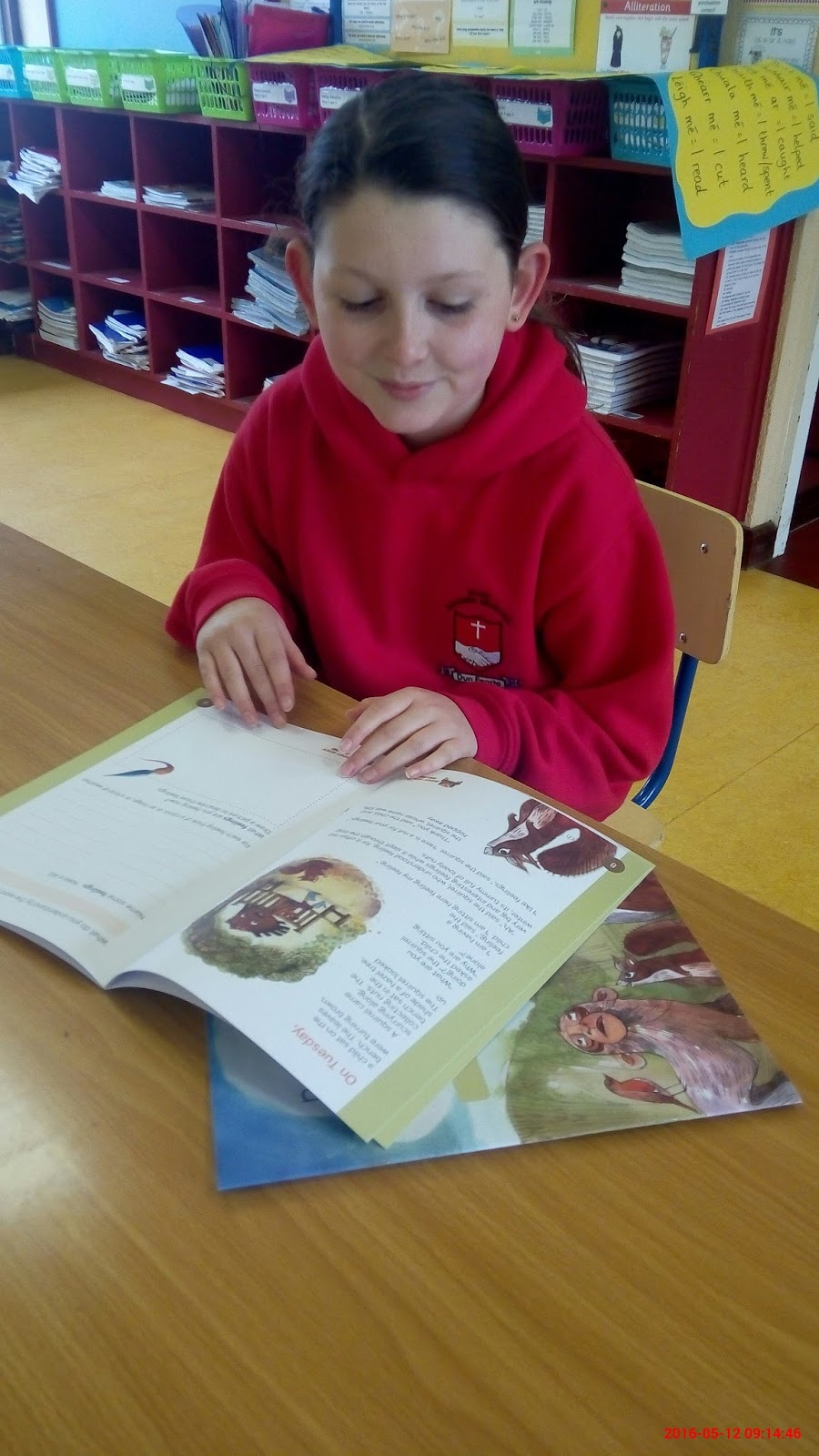
We use a Buddy Bench as a visual tool to help instil much needed lifelong coping skills which is the objective of our Buddy Bench Aware programme. Our thoroughly researched program has been designed by our team and in-house psychotherapist Judith Ashton BA ITEC MFPhys IMTA, who has over 30 years expertise in her field. For the younger children the story in our interactive workbook, written by our Creative Consultant Jeffrey Gormly and illustrated by the very talented Ross Stewart of Cartoon Saloon. It is a story with animals and each animal represents a thought or a feeling but is creative and innovative , being open ended leaving so much to the individual child's imagination. Through our research if a buddy bench is placed in playground without a program it very quickly becomes an attractive climbing frame.

We, as a team of psychotherapists physically visit the school or organisation, our programmes are designed to allow and encourage a child to "feel a feeling" or to "think a thought" we know it is vital that a trained person is present and can identify a situation or problem if it arises, they will then flag a teacher/worker so they can decide if further intervention via the school or the organisation is required.

We are connected with the Ir​​ish Men's Sheds on a national level, you can source a bench through them for a cost of approximately €150  which includes a donation to each of the sheds. www.menssheds.ie

Book our team to come to your school and deliver our Buddy Bench Aware programmes which entwines heavily with SPHE. Each sessions is 45 mins in duration which consists of reading our story, role play and/or games which is delivered by our trained staff. Each pupil receives his/her own copy of the interactive workbook to be completed at school or even with the help of their family at home.

"A state of well-being in which the individual realises his or own abilities, can cope with the
normal stresses of life, can work productively and fruitfully and is able to make a contribution to
his or her own community". (WHO, 2001, p.1)

Some of the photos of us Buddy Benchers delivering the "Buddy Bench Aware" programme. These bright as buttons children really got the messages behind the story and really embrace it.

The ethos behind our program is :

LOOK UP, LOOK AROUND, LOOK OUT FOR EACH OTHER


Buddy Bench Ireland


Buddy Bench Ireland

Buddy Bench Ireland

Buddy Bench Ireland

“We have begun to see positive changes in behaviour, better use of problem solving conversations, reduced discipline incidents, and improved feelings of safety from bullying among our children,” said  Lydia Coyne.

After implementing the programme, children knew techniques to solve problems with classmates and ways to “cool off” and manage anger-related emotions." said  Michelle Coleman


The Importance of Giving Children Chores and Responsibilities

www.buddybench.ie

Written by our in-house psychotherapist Judith Ashton BA ITEC MFPhys IMTA,

www.buddybench.ie
I recently visited an African friend of mine who has three small boys under four years old. She is a wonderful mother and I have never seen her stressed or raising her voice to her children. She appears very relaxed and unflappable. She is firm and fair with her children and they are very well behaved. At  29 years old she seems to have embraced motherhood in a very happy and fulfilled way. I have often marvelled at her poise and wondered how she manages to manage her life with three little ones. They are all energetic , they play well but are rarely over the top.  Many young Irish mums with three under four would be freaking out, out of control , complaining of soaring stress levels and there would be noise and mayhem.
What is my African friend’s secret? Given , she has a wonderful partner and they are both consistent in their approach to their children but he works shifts and she is alone and housebound much of the time . How is she coping so very well?
The children have tasks that she expects them to do every day. These tasks include tidying up their toys, cleaning their teeth, laying the table, putting their used plates in the sink ( even tho they can hardly reach it!)putting on their pyjamas, going to bed when told , helping her and each other and sweeping the floor. She has gently and effectively trained her sons to do these chores . They know they have to do them and accept that it is expected of them and they will not get a treat if they don’t. A treat in this case may be: a biscuit, an apple or to watch TV. As a consequence these boys are very well behaved and polite.
When I was a child we all had chores. Many young families these days, don’t seem to . According to Richard Rende, developmental psychologist and co-author of “Raising can-do kids.”, chores benefit  kids emotional, academic and even professional development. He says, “ Parents today want kids spending time on things that can bring success, but ironically, we’ve stopped one thing that’s actually been a proven predictor of success and that is household chores.”
Research shows that giving children household chores at an early age builds such qualities as self-reliance and  responsibility. Professor Rossman from University of Minnesota followed a  group of 84 children from pre-school to their mid 20s and she found that the ones who had done chores from the ages of 3 and 4 achieved higher academic scores, had better relationships with friends and      family, earlier career success and were generally more self-reliant than the kids who had no chores or who started chores in their teens.
Another study from Richard Weissbourd of Harvard Graduate School of Education found that chores teach children about empathy and being responsive to other’s needs. He  surveyed 10,000 high school children and asked them to rank achievement or happiness over caring for others. The interesting result was that 80% chose happiness and achievement over caring for others…..He says that this shows, “We’re out of balance because research suggests that most personal happiness comes not from high achievement but from strong relationships and caring for others! A good way to  start readjusting priorities, is by learning to be kind and helpful at home.”
The message seems to be; do not to fixate on grades and academic achievement over and above chores . Grades are not more important than caring for others. Chores teach a child about emotional intelligence and caring , the very human qualities which in turn lead to happiness.
Ways to engage and motivate your child to do chores
In a study of 150 3 to 6 year olds published in the journal of Child Development  researchers found that thanking young children for ,”being a helper” rather than, “helping” increased their desire to pitch in. This seemed to create a positive identity, eg being known as a person who helps.
It is important to schedule chores : so make a timetable and stick it on the fridge. This creates a routine along with other commitments.
Start from an early age and slowly add more responsibility.
Chores are things that do not always need rewards… they simply have to be done! Who rewards mum for doing the ironing or dad for cutting the grass ?!
Psychologists differentiate between self -care tasks e.g.; tidying your bedroom and family- care tasks e.g. Sweeping the kitchen floor or washing up. Family care tasks foster empathy for others and build sense of social responsibility. Let your child choose his/her task and then they are more likely to follow through.
Language re: chores is important when co-operation counts. There is a difference between commanding a child, ”Do your chores!” as opposed to, “Let’s do our chores.”  Chores are more of a way of caring for others as opposed to a punishment.
The more we complain about housework…. So will children, so try to keep as positive as possible about what needs to be done and hopefully home life will be harmonious and everyone will be caring and happy!
I look forward to following my friend’s 3 boys over the years ahead.
Good luck and today is a good day to start with giving your child some chores around the home!

What Makes a Child Fidget?

Judith Ashton In-house psychotherapist Buddy Bench

I have recently delivered our Buddy Bench Aware Programmes to several Irish primary schools and have noticed a great deal of fidgeting going on. The junior and senior infants being the “worst offenders” and this activity set me wondering about fidgeting. What it is and why does it happens?
More and more children are being diagnosed as having Attention Deficit Hyperactivity Disorder. When I was a child decades ago such a label did NOT exist. How come it does now? Could fidgeting be a symptom of some deeper issue?
Years ago when my own children were small I remember thinking how un-natural it was to expect a 3 -6 year old to sit still for hours on end when the natural language of a child’s young body is movement, feeling and touch ; these are their means of exploring the world of wonders into which they have recently arrived. If you watch any nature programme about young animals they are all either moving , playing, exploring, eating or asleep…. Rarely still.
In our present state educational system, children are expected to pay attention by sitting still in an un-naturally upright position for long periods of time. Kids are naturally full of energy and quite literally have energy to burn .There are numerous natural body positions for young children eg.  lying down, moving, dancing, rolling, climbing, tumbling, clowning, wrestling, jumping, skipping, hopping, spinning round, twisting, turning, falling and so on. Sounds familiar?  As a kid I never walked, I ran! I was constantly in motion. These days, many children lead sedentary lives and whilst in playgrounds are banned from chasing games, running , leap-frog,  skipping ropes, hop, skip and jump etc for fear of falling and litigation. Even the humble sand pit where digging and building used up energy has lost its place in childhood activities for fear of grains in young eyes!
The fact is,  many children are simply not getting enough exercise. Gone are the days of the long daily bag-carrying trek to school,  the parental taxi now drops kids from door to door rain or shine. Admittedly, children can be vulnerable if walking alone yet some urban schools have instigated healthy “crocodile programmes” where children and parents meet up and walk to school together. What a great idea… exercise and saving petrol all in one go!
Research from the early 1980’s shows that children  back then , had good core strength and good balance because of movement and mobility. Today only 1 in 12 children has good core strength and balance. What is this telling us about our children’s developing bodies? I am convinced that it’s because they are not moving enough or getting enough exercise, and I believe that this is why many are fidgeting and getting ADHD diagnoses.
Movement is not an option for a healthy body and mind but an essential part of daily activity. Children need to move in a multitude of ways for most of their waking hours not just using short bursts of energy at regulated times. All young animals need to move and explore with their bodies to make sense of the world around them. Many children are walking about with very poor co-ordination due to restriction of movement. Poor hand eye co-ordination and balance issues can be improved by ball throwing and catching and lots of cross lateral movements like skipping, crawling and hopping. Organised sports sessions after school and weekends are fine but movement needs to be frequent, intense and regular. For optimum health, kids need to get out of breath, sweat and get tired out. In short they need to let of steam … this will strengthen their developing bodies and diminish build- up of emotional pressure, this is good for healthy relationships, self- esteem and encourages healthy tiredness which in turn leads to healthy sleep patterns. Exercise also oxygenates the brain making children more alert, motivated and receptive to learning.
Children who lack exercise are not able to function properly on many levels. All the systems in a child’s body crave exercise and its myriad of benefits for growth, positive stimulation and optimum function.  : the child’s skeleton, the muscles, the digestive system, the nervous system, the lymphatic system etc. are all enhanced .
Inhibiting children (especially the youngest ones in schools) from moving by forcing them to conform to stillness and making them pay attention, is to rob them of the joys and benefits  of movement which are their rightful and natural states during childhood. Making them endure un-natural stillness and silence is bound to create trouble down the line for both mind and body. I believe this un-natural lack of movement and exercise is the root of much fidgeting and a possible over- diagnosis of ADHD.
In conclusion, to learn and to get the most out of school, children  need to be able to pay attention. To enable them to pay attention we need to encourage our kids to move, walk, run, hop, skip, jump, climb, fall, dance and twist and turn. In other words to mobilise every part of their body as often and as much as possible so that they can be happy, well balanced , healthy, sleep well at night and fidget less during the day.
Even better you need to join your young kids in all the above mentioned activities. Go for it, enjoy and have lots of fun …..
Judith Ashton 21/09/2016

Helping Your Child Cope with Back-to-School Anxiety


We don't want to acknowledge the fact that summer is nearing an end and we must at least start thinking of returning to school. Not only the young children who are starting school/pre-school may begin to feel anxious, lets face it is the topic of conversation, but older children and teens. Do you remember starting a new job?

Anxious feelings are normal and expected during times of transition or change.  This transition can be stressful and disruptive for the entire family! Prior to the first day of school, your anxious child may cling, cry, have temper tantrums, complain of headaches or stomach pains, withdraw, and become sullen or irritable.Worries are Common. Anxious children and teens worry about many different school-related issues, such as teachers, friends, fitting in, and/or being away from their parents. Some common worries include:


Who will be my new teacher?
What if my new teacher is mean?
Will any of my friends be in my class?
Will I fit in?
Are my clothes OK?
Will I look stupid?
Who will I sit with at lunch?
What if I miss the bus?
What if I can’t understand the new schoolwork?
What if something bad happens to mum or dad while I am at school?


Although it is normal for your child to have worries, it is crucial to make your child attend school. Avoidance of school will only increase and reinforce your child’s fears over the long-term, and make it increasingly more difficult to attend

Most importantly, anxious children and teens who miss school cannot gather evidence that challenges their unrealistic and catastrophic fears.

How To Deal With Back-to-School Worries!

Below are some general strategies parents can use to deal with back-to-school worries, followed by a schedule leading up to the first day of school.

Look after the basics.
Nobody copes well when they are tired or hungry. Anxious children often forget to eat, don’t feel hungry, and don’t get enough sleep. Provide frequent and nutritious snacks for your child. During this time, you also need to build in regular routines, so that life is more predictable for your child. These routines can involve the morning and bedtime habits, as well as eating schedules.

Encourage your child to share his or her fears.

Ask your child what is making him or her worried. Tell your child that it is normal to have concerns. Before and during the first few weeks of school, set up a regular time and place to talk. Some children feel most comfortable in a private space with your undivided attention (such as right before bed, or during mealtime). Teens often welcome some sort of distraction to cut the intensity of their worries and feelings (such as driving in the car, or taking a walk).


Avoid giving reassurance...instead, problem-solve and plan! Children often seek reassurance that bad things won’t happen in order to reduce their worry. Do not assure them with “Don’t worry!” or “Everything will be fine!” Instead, encourage your child to think of ways to solve his or her problem. For example, “If (the worst) happens, what could you do?” or “Let’s think of some ways you could handle that situation.” This gives you the opportunity to coach your child on how to cope with (and interpret) both real and imagined scary situations. You will also be giving your child the tools he or she needs to cope with an unexpected situation that might arise.

Here’s a sample script for engaging your child in problem-solving and planning (instead of giving reassurance):

Role-play with your child. Sometimes role-playing a certain situation with your child can help him or her make a plan, and feel more confident that he or she will be able to handle the situation. For example, let your child play the part of the demanding teacher or bullying classmate. Then, model appropriate responses and coping techniques for your child, to help them calm down.

Focus on the positive aspects!

Encourage your child to re-direct attention away from the worries, and towards the positives. Ask your child, "What are three things that you are most excited about on your first day of school?" Most kids can think of something good, even if it's just eating a special snack or going home at the end of the day. Chances are that the fun aspects are simply getting overlooked by repetitive worries.

Pay attention to your own behaviour. It can be anxiety-provoking for parents to hand over care and responsibility of their child to teachers. Children take cues from their parents, so the more confidence and comfort you can model, the more your child will understand there is no reason to be afraid. Be supportive yet firm. When saying goodbye in the morning, say it cheerfully – once! Ensure you don’t reward your child’s protests, crying, or tantrums by allow him or her to avoid going to school. Instead, in a calm tone, say: “I can see that going to school is making you scared, but you still have to go. Tell me what you are worried about, so we can talk about it.” Chances are, your child is anxious about something that requires a little problem-solving, role-playing, planning, and/or involvement from the teacher.

Timeline Leading Up to the First Day of School
(You may not need to take all of these steps)

At least one week before:
Start your child on a school-day routine – waking up, eating, and going to bed at regular times. Explain that everyone in the family needs to adjust to the new schedule, so he or she doesn’t feel alone with these changes.
For older children who having troubles getting up and out of bed, give them a “big person” alarm clock, and let them practice using it.
Ask your child to help plan school lunches for the first week.
Create a list of school supplies together and plan a fun shopping trip.

A couple days before school:
Go to school several times – walking, driving, or taking the bus. For young children taking the school bus, describe and draw out the bus route, including where the bus goes and how long it takes to get to school. Talk about bus safety.
For new students, take a tour of the school. Show your child the classrooms the and the bathrooms. If possible, meet your child’s teacher with your child present.
Ask your child to help choose the outfits for the first week of school. Let your child wear his or her favourite outfit on the first day.
Together with your child, pack up the schoolbag the night before.
For younger children who are nervous about separating, suggest taking a special object to school that reminds him of home. A reassuring note in a child’s lunch can also help ease separation anxiety.

The first day of school:
Have your child go to school with a friend for the first couple of days.
Tell the teacher that your child is having some separation anxiety – most teachers are experts in this area, and have years of experience!
Most importantly, praise and reward your child for brave behaviour!